Northern Beaches Protection Project

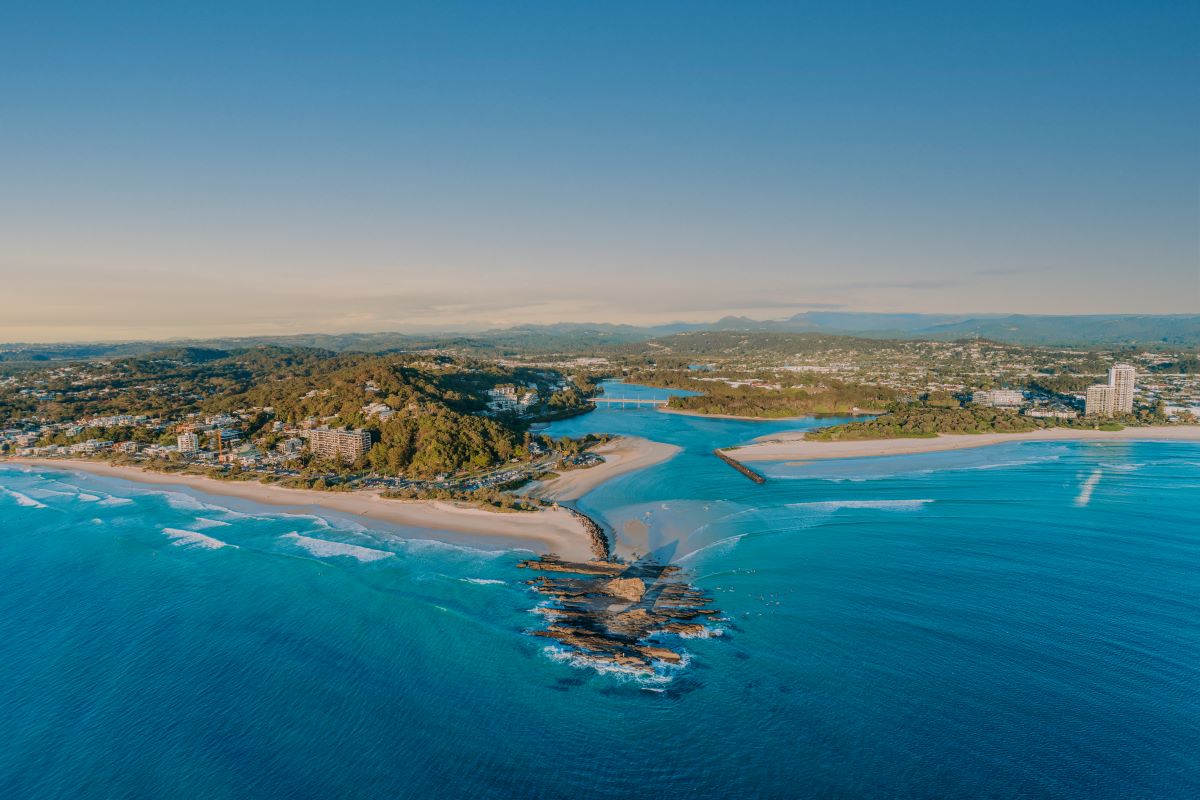
The Gold Coast's northern beaches, from Narrowneck to The Spit, have a history of erosion issues.


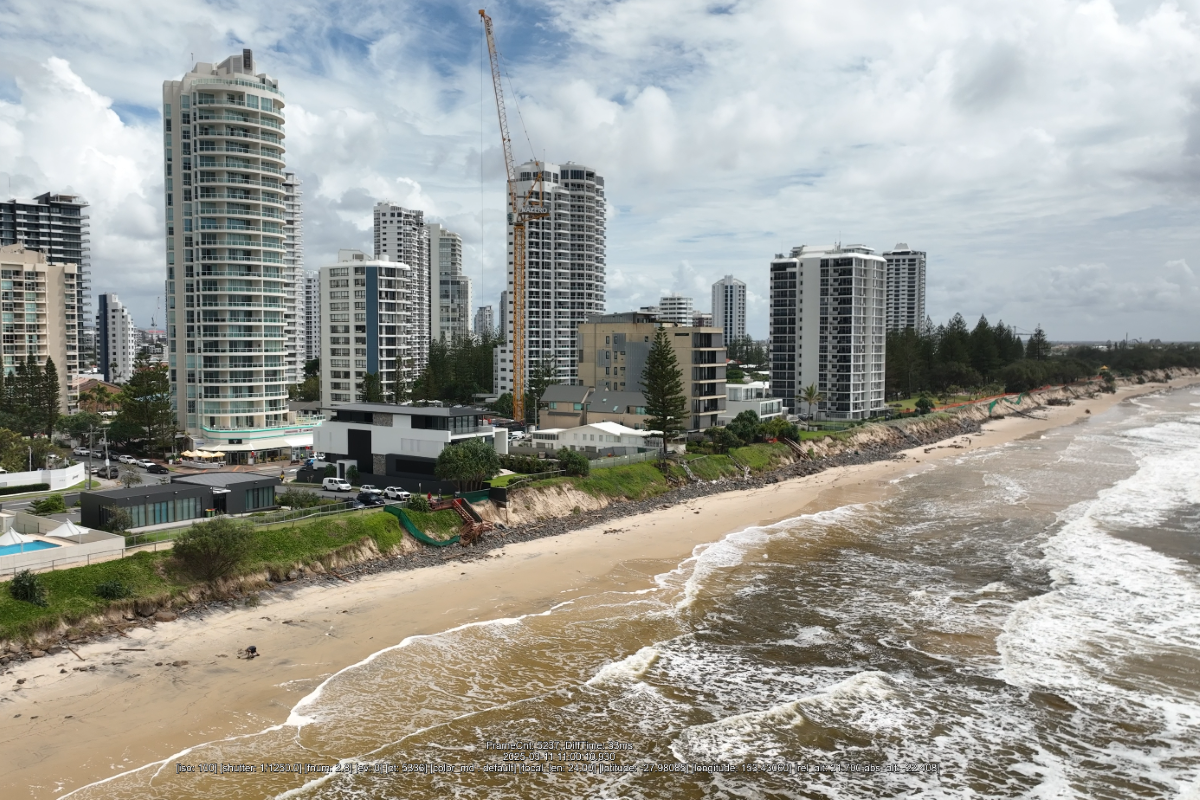
The impact of Tropical Cyclone Alfred in 2025 was severe for the northern beaches, exposing the seawall in multiple locations and highlighting the vulnerability of this area to storm events.

The Northern Beaches Protection Project (NBPP) aims to provide stable beach widths, protect natural and built assets, support a vibrant and connected coastline, and identify cost-effective long-term solutions with less reliance on reactive works.

The total economic value added by Gold Coast beaches is approximately $3.74b, with the beaches themselves valued at $1.4b. A reliable beach supports jobs, tourism, events, property values, and our unique lifestyle.

The core issue - sand balance

On the Gold Coast sand naturally moves north, pushed by waves and the predominant southeasterly swell.

Due to the shape of the Gold Coast coastline and the higher exposure to waves in this area, more sand leaves the area to the north than arrives from the south.

Over time, this means there's not enough sand, which is an underlying cause of long-term erosion.

We need a long-term solution that addresses this imbalance by balancing sand moving in and out of the area, helping protect beach amenity and reducing reliance on costly reactive works.

The options

To restore balance, the project is assessing three high level coastal management approaches:
Supply the sand: sand nourishment
Read more
Slow the sand: artificial reef
Read more
Trap the sand: artificial headland
Read more
Or can we leave it to nature?
Read more

How we are assessing the options

The project is carefully assessing the options through:

  • detailed numerical modelling simulating waves and sand movement to see how the beach reacts to the different options
  • environmental and community impact studies
  • engineering design and assessment
  • cost-benefit analysis.

The Gold Coast is one of the most monitored coastlines in the world. We have data dating back decades that we use to track changes over time. From swell and sand volumes to beach width and aerial monitoring, we are using all available data and tools at our disposal to assess the options.

There is no simple or single answer, but we are working to find a solution with optimum outcomes.

Each option comes with benefits and trade-offs. The Northern Beaches Protection Project is using detailed modelling, engineering and cost-benefit analysis to find the right balance – not just for today but for decades into the future.

Community consultation

Community consultation will open soon. Please subscribe to GC Have Your Say to receive notification.

The Gold Coast's northern beaches, from Narrowneck to The Spit, have a history of erosion issues.


The impact of Tropical Cyclone Alfred in 2025 was severe for the northern beaches, exposing the seawall in multiple locations and highlighting the vulnerability of this area to storm events.

The Northern Beaches Protection Project (NBPP) aims to provide stable beach widths, protect natural and built assets, support a vibrant and connected coastline, and identify cost-effective long-term solutions with less reliance on reactive works.

The total economic value added by Gold Coast beaches is approximately $3.74b, with the beaches themselves valued at $1.4b. A reliable beach supports jobs, tourism, events, property values, and our unique lifestyle.

The core issue - sand balance

On the Gold Coast sand naturally moves north, pushed by waves and the predominant southeasterly swell.

Due to the shape of the Gold Coast coastline and the higher exposure to waves in this area, more sand leaves the area to the north than arrives from the south.

Over time, this means there's not enough sand, which is an underlying cause of long-term erosion.

We need a long-term solution that addresses this imbalance by balancing sand moving in and out of the area, helping protect beach amenity and reducing reliance on costly reactive works.

The options

To restore balance, the project is assessing three high level coastal management approaches:
Supply the sand: sand nourishment
Read more
Slow the sand: artificial reef
Read more
Trap the sand: artificial headland
Read more
Or can we leave it to nature?
Read more

How we are assessing the options

The project is carefully assessing the options through:

  • detailed numerical modelling simulating waves and sand movement to see how the beach reacts to the different options
  • environmental and community impact studies
  • engineering design and assessment
  • cost-benefit analysis.

The Gold Coast is one of the most monitored coastlines in the world. We have data dating back decades that we use to track changes over time. From swell and sand volumes to beach width and aerial monitoring, we are using all available data and tools at our disposal to assess the options.

There is no simple or single answer, but we are working to find a solution with optimum outcomes.

Each option comes with benefits and trade-offs. The Northern Beaches Protection Project is using detailed modelling, engineering and cost-benefit analysis to find the right balance – not just for today but for decades into the future.

Community consultation

Community consultation will open soon. Please subscribe to GC Have Your Say to receive notification.

  • Supply the sand: sand nourishment

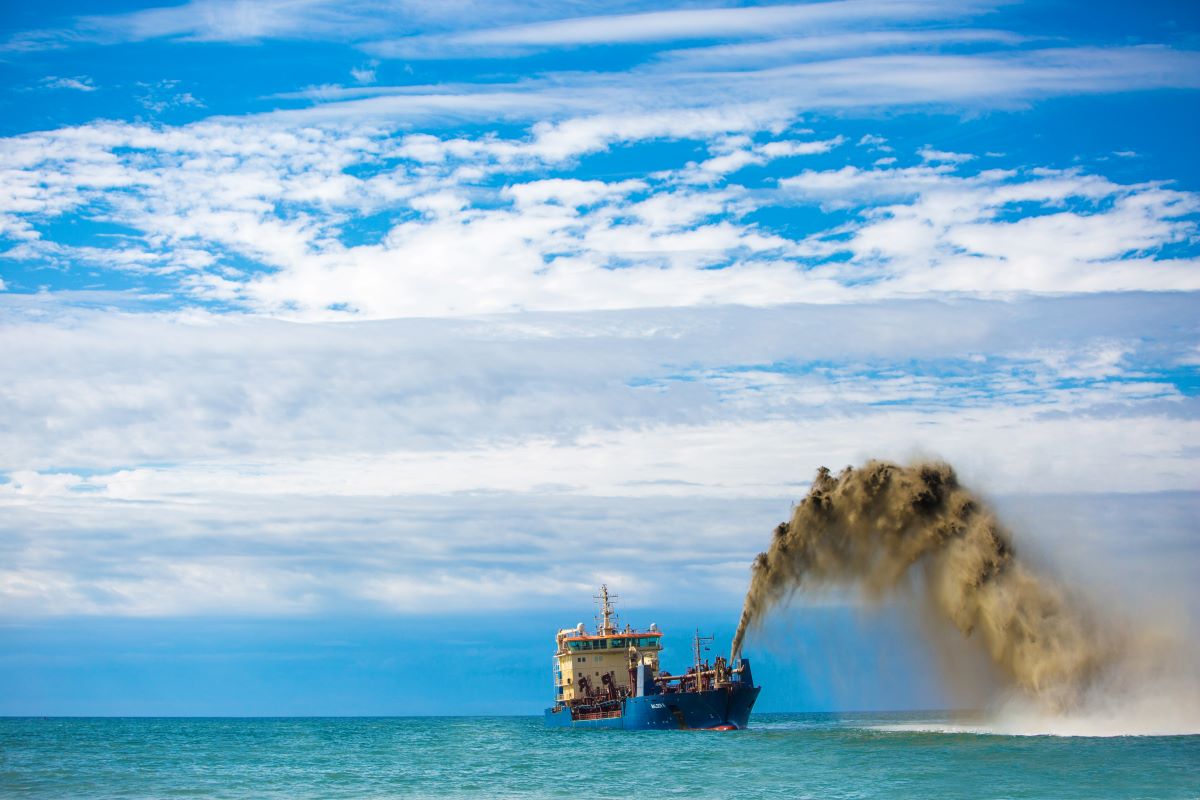
    What it does: adds sand directly to the beach system to restore beach width and buffers.

    This can be done through a range of coastal management methods:

    • Rainbowing / bottom dumping from offshore dredging provides sand to nearby beaches.
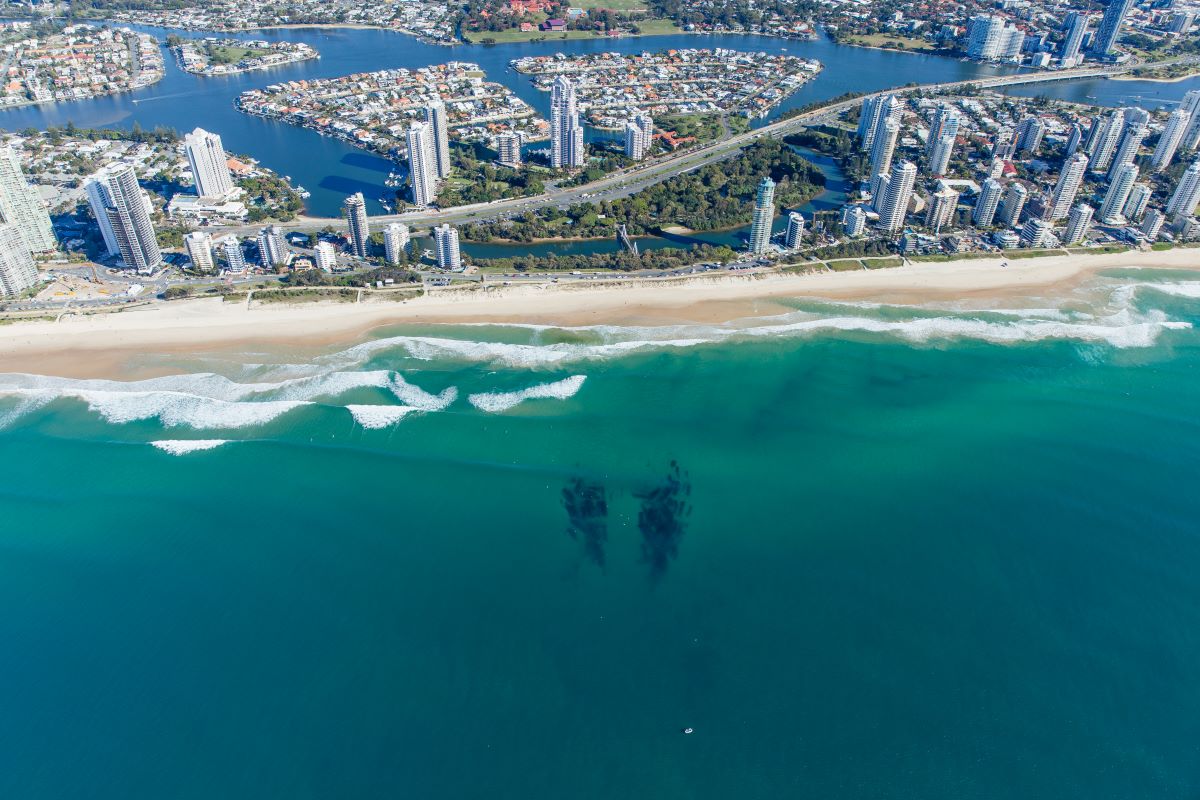
    • The Surfers Paradise Backpass System (SPBPS) pumps sand from The Spit to Surfers Paradise.
    • Dune management supports healthy vegetation and provides a natural buffer against coastal erosion.

    Nourishment could occur on a cycle, such as every 5 or 10 years, depending on need. This is a well established coastal management method used worldwide.

    Aerial beachfront with high-rise buildings; arrows show waves and sand movement; ‘nourished beach’ labelled.

    What are the benefits of this approach?

    • Bringing in sand widens the beach and improves access and amenity.
    • There's minimal disruption to the community during the placement process.
    • It's a well understood approach that is relatively simple to implement.
    • No permanent structures need to be built, meaning no long-term physical footprint (aside from the existing SPSBP infrastructure).

    What are the disadvantages?

    • How long the benefit lasts depends on future wave conditions.
    • Nourished sand is lost over time, as it naturally moves north.
    • Nourishment is likely to become more expensive and more challenging to source the sand.
    • This approach requires ongoing nourishment to maintain beach width.
    • The SPSBP may not provide enough sand on its own, nor may it always be reliable.

    What it does: adds sand directly to the beach system to restore beach width and buffers.

    This can be done through a range of coastal management methods:

    • Rainbowing / bottom dumping from offshore dredging provides sand to nearby beaches.
    • The Surfers Paradise Backpass System (SPBPS) pumps sand from The Spit to Surfers Paradise.
    • Dune management supports healthy vegetation and provides a natural buffer against coastal erosion.

    Nourishment could occur on a cycle, such as every 5 or 10 years, depending on need. This is a well established coastal management method used worldwide.

    Aerial beachfront with high-rise buildings; arrows show waves and sand movement; ‘nourished beach’ labelled.

    What are the benefits of this approach?

    • Bringing in sand widens the beach and improves access and amenity.
    • There's minimal disruption to the community during the placement process.
    • It's a well understood approach that is relatively simple to implement.
    • No permanent structures need to be built, meaning no long-term physical footprint (aside from the existing SPSBP infrastructure).

    What are the disadvantages?

    • How long the benefit lasts depends on future wave conditions.
    • Nourished sand is lost over time, as it naturally moves north.
    • Nourishment is likely to become more expensive and more challenging to source the sand.
    • This approach requires ongoing nourishment to maintain beach width.
    • The SPSBP may not provide enough sand on its own, nor may it always be reliable.
  • Slow the sand: artificial reef

    What it does: uses underwater structures to reduce wave energy and slow sand movement offshore.

    This structure is meant to cause sand accumulation to the south of it. This extra sand causes waves, especially larger waves, to break when going over that sand.

    The waves that do reach the beach are smaller and there is less beach sand erosion.

    Instead of adding large volumes of sand, this approach focuses on reducing how quickly sand moves away.

    By slowing sand movement, the beach can build a strong buffer and recover more effectively after storms.

    This has been successful elsewhere on the Gold Coast, such as at Palm Beach.

    The main option being considered here is submerged reefs, which interact with waves and sand movement.

    Aerial beachfront with buildings; diagram shows reef control structure, wave reduction, and offshore sand accumulation areas.

    What are the benefits of this approach?

    • Widens the beach and helps create an underwater sand buffer, particularly effective during large storms.
    • Can improve surfing conditions and marine habitat.
    • Maintains a natural beach appearance as the structure sits underwater.
    • Proven locally – submerged reefs have been successful on the Gold Coast, like Palm Beach.
    • Strong understanding of how they perform through experience and data.

    What are the disadvantages?

    • Widened beach will vary over time as sand movement is not restricted.
    • Performance depends heavily on engineering design and construction.
    • Can create a sand deficit to the north if not carefully managed.

    What it does: uses underwater structures to reduce wave energy and slow sand movement offshore.

    This structure is meant to cause sand accumulation to the south of it. This extra sand causes waves, especially larger waves, to break when going over that sand.

    The waves that do reach the beach are smaller and there is less beach sand erosion.

    Instead of adding large volumes of sand, this approach focuses on reducing how quickly sand moves away.

    By slowing sand movement, the beach can build a strong buffer and recover more effectively after storms.

    This has been successful elsewhere on the Gold Coast, such as at Palm Beach.

    The main option being considered here is submerged reefs, which interact with waves and sand movement.

    Aerial beachfront with buildings; diagram shows reef control structure, wave reduction, and offshore sand accumulation areas.

    What are the benefits of this approach?

    • Widens the beach and helps create an underwater sand buffer, particularly effective during large storms.
    • Can improve surfing conditions and marine habitat.
    • Maintains a natural beach appearance as the structure sits underwater.
    • Proven locally – submerged reefs have been successful on the Gold Coast, like Palm Beach.
    • Strong understanding of how they perform through experience and data.

    What are the disadvantages?

    • Widened beach will vary over time as sand movement is not restricted.
    • Performance depends heavily on engineering design and construction.
    • Can create a sand deficit to the north if not carefully managed.

  • Trap the sand: artificial headland

    What it does: partially interrupts northward sand movement to retain sand within the beach system.

    A variety of built structures, like groynes or training walls, can do this by partially blocking sand movement.

    For the northern beaches, the option being examined is headlands. These are designed to retain sand while still allowing movement through the system.

    Aerial beachfront with buildings; overlay shows control structure, extended beach, improved dunes, and areas of sand accumulation.

    What are the benefits of this approach?

    • Widens the beach and improves access over a longer stretch of coast.
    • Can create new public open space, improved surf conditions and more resilient dune systems over time.
    • Supports improved Oceanway connections and accessibility.

    What are the disadvantages?

    • Changes the look of the coastline.
    • Sand movement north of the structure must be carefully managed.
    • Requires careful design to balance the benefits along the wider coastline.

    There isn’t a single switch to turn erosion off. The challenge is managing sand movement. This can be done by supplying sand, slowing sand, trapping sand – or a combination of all three.


    What it does: partially interrupts northward sand movement to retain sand within the beach system.

    A variety of built structures, like groynes or training walls, can do this by partially blocking sand movement.

    For the northern beaches, the option being examined is headlands. These are designed to retain sand while still allowing movement through the system.

    Aerial beachfront with buildings; overlay shows control structure, extended beach, improved dunes, and areas of sand accumulation.

    What are the benefits of this approach?

    • Widens the beach and improves access over a longer stretch of coast.
    • Can create new public open space, improved surf conditions and more resilient dune systems over time.
    • Supports improved Oceanway connections and accessibility.

    What are the disadvantages?

    • Changes the look of the coastline.
    • Sand movement north of the structure must be carefully managed.
    • Requires careful design to balance the benefits along the wider coastline.

    There isn’t a single switch to turn erosion off. The challenge is managing sand movement. This can be done by supplying sand, slowing sand, trapping sand – or a combination of all three.


  • Can we leave it to nature?

    This stretch of coast has always been vulnerable

    The northern beaches sit in a naturally exposed part of the coastline.

    Due to the shape of our coastline and predominant swell direction, the northern beaches are impacted by more wave energy than many other beaches.

    This means erosion happens more often and more intensely, even without extreme storms.

    Early development changed how the beach can respond

    Some of the earliest beachfront development on the Gold Coast occurred here.

    Buildings and infrastructure were constructed very close to the shoreline, particularly around Narrowneck and north of it.

    This limits the natural ability of the beach to move, reshape, and recover after storms.

    There is no space for large, healthy dunes to form

    Natural dune systems need space and time to grow.

    In this area, there is little room for wide, well-established dunes, which prevent erosion.

    Without stable and healthy? With dunes, the coast becomes more vulnerable.

    History shows nature alone hasn’t been enough

    The City has had to step in multiple times because natural recovery was not sufficient:

    • 1975: ~1 million cubic metres of sand placed
    • 1999: ~1 million cubic metres of sand placed
    • 2025: ~1 million cubic metres of sand placed

    These were not one-off decisions — they followed years of erosion, increasing maintenance, and declining beach amenity.

    The expectation following the 2025 nourishment is that beaches will continue to slowly erode over time.

    Doing nothing would mean worse outcomes over time

    Population growth and beach use will continue to increase.

    More people, infrastructure, and activity mean higher consequences when erosion occurs.

    Without active management, erosion would happen more frequently, reduce beach width and usability and increase costs and disruption in the long run.

    Nature still plays a role — but it needs help here

    Natural processes are still important, but they can’t work alone in a constrained urban environment.

    Active beach management helps: Restore natural buffers, buy time for recovery and maintain safe, usable beaches for the community

    In some places, nature can recover on its own. On the Northern Beaches, history shows that it isn’t enough.

    Carefully managed intervention is needed to protect the beach, the community, and the coastline into the future.


    This stretch of coast has always been vulnerable

    The northern beaches sit in a naturally exposed part of the coastline.

    Due to the shape of our coastline and predominant swell direction, the northern beaches are impacted by more wave energy than many other beaches.

    This means erosion happens more often and more intensely, even without extreme storms.

    Early development changed how the beach can respond

    Some of the earliest beachfront development on the Gold Coast occurred here.

    Buildings and infrastructure were constructed very close to the shoreline, particularly around Narrowneck and north of it.

    This limits the natural ability of the beach to move, reshape, and recover after storms.

    There is no space for large, healthy dunes to form

    Natural dune systems need space and time to grow.

    In this area, there is little room for wide, well-established dunes, which prevent erosion.

    Without stable and healthy? With dunes, the coast becomes more vulnerable.

    History shows nature alone hasn’t been enough

    The City has had to step in multiple times because natural recovery was not sufficient:

    • 1975: ~1 million cubic metres of sand placed
    • 1999: ~1 million cubic metres of sand placed
    • 2025: ~1 million cubic metres of sand placed

    These were not one-off decisions — they followed years of erosion, increasing maintenance, and declining beach amenity.

    The expectation following the 2025 nourishment is that beaches will continue to slowly erode over time.

    Doing nothing would mean worse outcomes over time

    Population growth and beach use will continue to increase.

    More people, infrastructure, and activity mean higher consequences when erosion occurs.

    Without active management, erosion would happen more frequently, reduce beach width and usability and increase costs and disruption in the long run.

    Nature still plays a role — but it needs help here

    Natural processes are still important, but they can’t work alone in a constrained urban environment.

    Active beach management helps: Restore natural buffers, buy time for recovery and maintain safe, usable beaches for the community

    In some places, nature can recover on its own. On the Northern Beaches, history shows that it isn’t enough.

    Carefully managed intervention is needed to protect the beach, the community, and the coastline into the future.


Page last updated: 26 May 2026, 12:29 PM