

Urban Forest Strategic Plan
Project update
Thank you to everyone who participated in our survey and workshops to help shape the Urban Forest Strategic Plan.
Across all activities, people told us that trees are essential to life on the Gold Coast; providing shade, cooling our neighbourhoods, and supporting healthy, liveable communities.
We also heard about the challenges. In many areas, limited space, existing infrastructure, and competing priorities can make it difficult to grow and protect trees. You highlighted the need to plan for trees earlier, improve coordination, and make it easier to deliver better outcomes on the ground.
Protecting existing mature trees was a strong priority for the community. You told us it’s important these trees are valued and retained wherever possible, not just replaced over time. There was also strong support for increasing shade in hotter parts of the city, particularly along streets, in parks, centres and along walking and cycling routes.
Overall, there is a clear desire to see real, visible improvements; and cooler, greener and more comfortable places across the city. Ongoing communication and community involvement will also be key.
Your feedback is helping shape a practical Urban Forest Strategic Plan that focuses on delivering these outcomes for the Gold Coast, now and into the future.
Over the coming months, the City will:
- prepare the draft plan
- identify priority areas for canopy growth and investment
- continue working with stakeholders to refine key directions.
The draft plan is expected to be presented to Council later in 2026.
Project background
Help shape the Gold Coast’s urban forest
Trees are more than just greenery, they are a living part of our city that support people, wildlife, and our way of life.
- Trees make our city cooler by reducing urban heat.
- Shade provided by trees lowers the risk of sunburn and skin cancer.
- Trees support wildlife and clean our air.
- Trees and canopy cover are associated with increased property values, reduced crime and social cohesion.
Trees, plants, and soil comprise the City’s urban forest. That is why the city is creating a plan to protect, grow, and manage our urban forest to continue providing these benefits now and into the future.
The Urban Forest Strategic Plan
The City of Gold Coast is creating a 10-year Urban Forest Strategic Plan. This plan will:
- Show the current state of canopy cover and biodiversity across the city.
- Highlight where shade and trees are most needed.
- Balance tree planting with housing, development, and infrastructure needs.
- Provide a shared direction for the city, council, and community to work together.
Early data and mapping give us a powerful picture of:
- Heat stress areas – are where neighbourhoods are hottest and need more shade.
- Vegetation Condition Index (VCI) – where trees are healthy and where they are under pressure.
- Vegetation distribution – where trees and vegetation are and where they aren’t.
This information guides decisions on where vegetation needs to be managed better, and where more trees and shade are most needed.
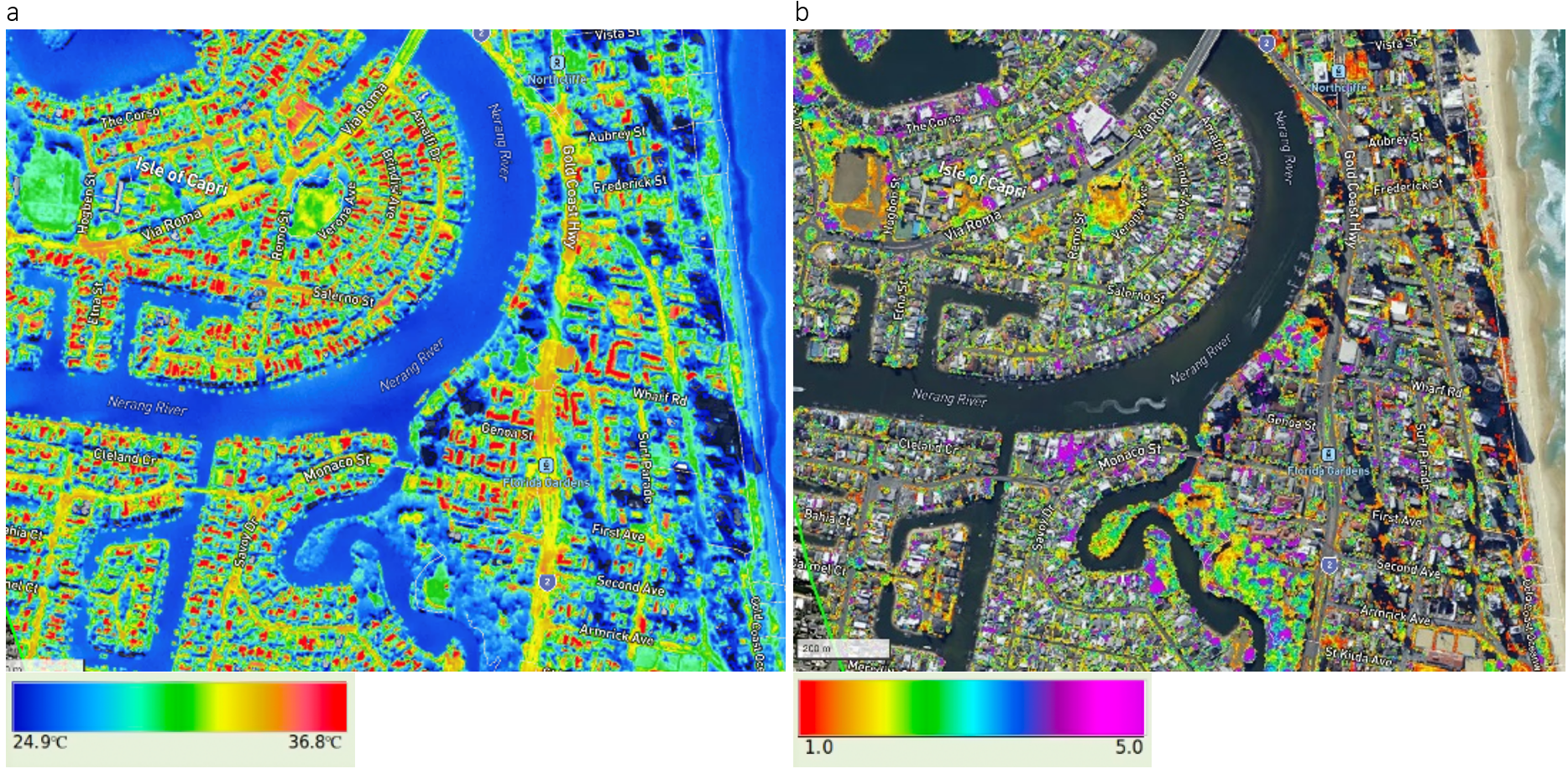 Figure 1. Science-based data helps us understand our city’s trees.
These example maps show: (a) neighbourhood heat stress – where suburbs are hottest (red) and need more shade; and (b) vegetation condition – where trees are healthy (purple) and where they are under more stress (red). This information guides decisions on where more trees and shade are most needed.
What the plan can and cannot do
The plan is about realistic and positive change over the next decade, and can identify opportunities to:
- Increase canopy cover where it will bring the most benefit.
- Protect biodiversity and tree health.
- Support residents who want to care for trees.
The plan cannot:
- Fix every tree issue overnight.
- Plant trees in every location (some areas aren’t suitable because of underground pipes, cables, or roads).
- Succeed without community involvement.
We want to hear from you!
Have your say today:
- Complete the survey below to enter a chance to win a $250 EFTPOS gift voucher (Terms and Conditions apply), or
- Drop a pin on the interactive map to leave location-based comments.
This consultation is open from Tuesday 11 November to Tuesday 25 November 2025.


