
FAQs
- adventure and recreation activities, such as kayaking and other low-impact outdoor experiences
- guided nature walks and cultural tours, including First Nations-led experiences
- sustainable accommodation, such as eco-cabins, glamping, camping or off-grid cabins.
- Members were required to live, work, operate a business, or hold a recognised community role within the Gold Coast Local Government Area, with preference given to those who have a direct connection to South Stradbroke Island or the adjacent mainland communities that regularly access and use the island (including Paradise Point, Runaway Bay, Hope Island, Coomera, and Labrador). Members outside of these areas could be considered where they significantly contribute to, or directly represent, the island’s environmental, cultural, recreational, or tourism interests.
- Members were expected to have demonstrated knowledge of local issues and opportunities relating to South Stradbroke Island and its surrounding waterways. This included:
- representation of Traditional Owners or Aboriginal and Torres Strait Islander cultural interests
- active involvement in local community, environmental, tourism, recreation or resident groups
- knowledge of the island’s environmental values, cultural heritage, history or recreational use
- commitment to the sustainable future of South Stradbroke Island and the Gold Coast’s nature-based tourism vision.
- The selection process aimed to ensure a diversity of representation, including cultural backgrounds, age groups, abilities, and interest areas.
- Members were required to be available to actively participate in CRG meetings in person and online.
- City of Gold Coast employees, elected representatives or contractors were not eligible for CRG membership.
Why South Stradbroke Island?
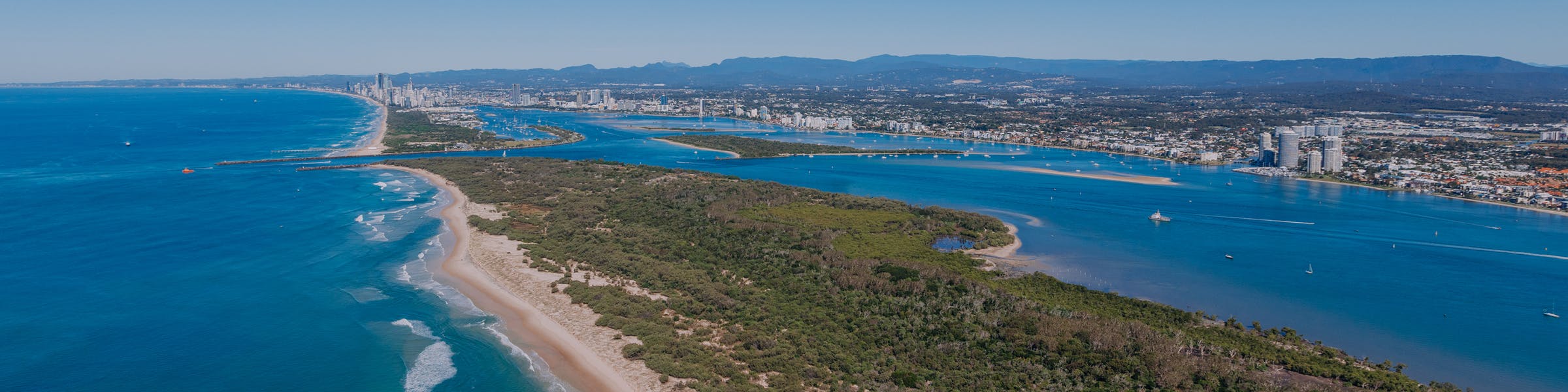
South Stradbroke Island is a stunning and much-loved coastal destination, known for its exceptional surf breaks, natural beauty and outdoor recreation opportunities. Sitting just 200 metres north of the northern end of The Spit, it’s a destination for people to boat, fish, camp, kayak and experience its unique natural environment. The Whole of Island Plan and proposed Nature-Based Tourism Enhancements are intended to provide coordinated, long-term direction for protecting the island’s environmental and cultural values while considering community needs, access, infrastructure, recreation, visitor management and appropriate tourism opportunities.
How does nature-based tourism fit into the Whole of Island planning?
The Whole of Island Plan and proposed Nature-Based Tourism Enhancements are distinct but related pieces of work. The Whole of Island Plan will provide overarching, long-term strategic direction for South Stradbroke Island, including environmental protection, community needs, access, recreation, infrastructure, servicing and visitor management. The Nature-Based Tourism Enhancements will explore potential opportunities at Tipplers Hub, North Currigee, South Currigee and the Seaway.
Nature-based tourism provides visitors with experiences in natural settings that combine enjoyment, education and cultural awareness, while focusing on sustainability and conservation.
Examples of nature-based tourism may include:
Any proposed nature-based tourism experience would need to be considered in the context of the island’s environmental and cultural values, community needs, existing users, infrastructure constraints and sense of remoteness.
The proposed enhancements remain preliminary concepts. Inclusion of a concept in planning or consultation material does not constitute approval, funding or a commitment to delivery.
Can I still have my say if I am not part of the CRG?
Yes. The CRG is one part of the community engagement process. Broader Phase 3 community consultation is proposed to commence in early 2027 and focus on the proposed Nature-Based Tourism Enhancements. The consultation is expected to be delivered primarily through GC Have Your Say and supported by direct communication and broader promotion. Further information will be published on this page once the timing and approach are confirmed.
How much influence does the CRG have over outcomes?
The CRG has an advisory role. Members provide local knowledge, identify opportunities and concerns, and comment on how emerging concepts align with community and environmental values. The CRG is not a decision-making body and does not represent the views of the entire community. Its feedback will be considered alongside broader community consultation, environmental and technical investigations, feasibility assessment, statutory requirements, funding considerations and Council decision-making.
What were the selection criteria for recruitment of the CRG?
The following criteria were used to select CRG members:
How were CRG members selected?
The selection process sought a balance of perspectives across residents, landowners, local businesses, environmental and cultural representatives, and other community voices. Diversity of views, experience and knowledge was considered to support broad representation.
Were CRG members paid?
Members were not paid a wage. Support for participation, including approved reimbursements or assistance, was available where applicable and in accordance with the CRG arrangements.
Was specialist expertise required to join the CRG?
No. Members were selected for their connection to the community and willingness to contribute. Both local knowledge and specialist expertise were valued.
What additional support was available to CRG members?
Support arrangements could be made to enable participation, including assistance with technical arrangements, physical accessibility, translation services or information in alternative formats.
Have any of the proposed Nature-Based Tourism Enhancements been approved?
No. The proposed enhancements are preliminary concepts being developed for investigation and community feedback. They are not approved or funded projects, and no decision has been made to proceed with individual enhancements.
Phase 3 community consultation will seek feedback on the potential benefits, concerns, impacts, safeguards and possible refinement of the enhancements presented for public consultation. Any future progression would remain subject to environmental and technical investigations, feasibility assessment, funding, relevant approvals and Council decision-making.
How are Traditional Owners and First Nations representatives being engaged?
The City is undertaking targeted engagement with Traditional Owners and First Nations representatives to understand cultural heritage, connection to Country, environmental stewardship, cultural interpretation and potential First Nations-led opportunities associated with the projects. This engagement is being coordinated with the City’s First Nations team and through relevant cultural authority processes. Feedback will inform the continuing development of the Whole of Island Plan and proposed Nature-Based Tourism Enhancements.
When will the broader community be consulted?
Phase 3 community consultation is proposed to commence in early 2027. Confirmed timing and participation details will be published on this page.